
As the vibrant colors of fall blanket Chesterhill and the temperatures begin to drop, homeowners throughout southeastern Ohio are preparing their properties for the cooler months ahead. While you're cleaning gutters, checking your furnace, and storing outdoor furniture, there's one crucial aspect of home maintenance that often gets overlooked: your home's security and lock systems. Fall presents unique challenges for your locks, keys, and overall home security, making it the perfect time to assess and address potential vulnerabilities. At Westland Columbus Locksmith, we've helped countless Chesterhill homeowners prepare their properties for seasonal transitions, and we're here to share our expertise to keep your home secure and accessible throughout autumn and the approaching winter months.
Why Fall Is Critical for Lock Maintenance
The transition from summer to fall brings more than just changing leaves and cooler weather. Temperature fluctuations, increased moisture, and changing daily routines all impact your home's security systems. As humidity levels shift and metal components in your locks begin to contract with the cooling temperatures, you may notice keys becoming harder to turn or locks that stick where they once operated smoothly.
Fall is also when many families return to busier schedules after summer vacations. Children return to school, work routines normalize, and the holiday season approaches. This increased activity means more people using your locks, more opportunities for keys to be misplaced, and a greater need for reliable, functioning security systems. Additionally, as daylight hours shorten, burglars have more cover of darkness to work under, making robust home security even more essential during the fall and winter months.
Inspect All Entry Points Before Winter Arrives
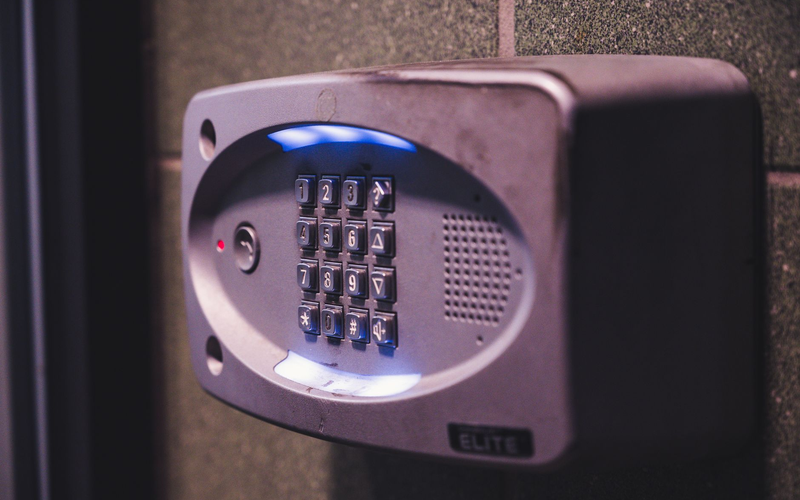
Before the harsh Ohio winter sets in, take time to thoroughly inspect every entry point to your Chesterhill home. Start with your main entry doors and work your way around the entire property, including basement doors, garage entries, and any outbuildings on your property.
Check each lock mechanism by inserting and turning the key multiple times. The action should be smooth and require minimal effort. If you notice any resistance, grinding sensations, or difficulty turning the key, these are warning signs that the lock may need cleaning, lubrication, or professional attention. Don't wait until you're locked out in freezing temperatures to address these issues.
Examine the physical condition of each door and frame. Look for gaps between the door and frame that might indicate the door has settled or warped over time. Even the best locks can't secure your home if the door itself doesn't fit properly in its frame. Check weatherstripping around doors for wear and tear – damaged weatherstripping not only affects energy efficiency but can also indicate that your door alignment has shifted, potentially compromising lock effectiveness.
Pay special attention to deadbolts. These should extend at least one inch into the door frame when locked. If your deadbolt doesn't meet this standard, or if the strike plate appears loose or damaged, it's time for an upgrade. A properly installed deadbolt is one of your best defenses against forced entry.
Lubricate Locks to Prevent Cold Weather Problems
One of the simplest yet most effective fall maintenance tasks is proper lock lubrication. As temperatures drop, metal components in locks contract, and any existing moisture can freeze, causing locks to stick or fail completely. Preventive lubrication now can save you from frustrating lockouts on cold mornings.
Use a graphite-based lubricant or a silicone spray specifically designed for locks. Avoid using WD-40 or oil-based products, as these can attract dust and debris that will eventually gum up the lock mechanism. To properly lubricate a lock, insert the lubricant into the keyway and work the key in and out several times to distribute the product throughout the internal pins and tumblers.
Don't forget about outdoor padlocks on sheds, gates, or storage areas. These locks are particularly vulnerable to weather-related problems. Consider covering outdoor padlocks with protective covers during the winter months, and apply a more generous amount of lubricant since these locks are exposed to the elements year-round.
For garage doors and automotive locks, the same principle applies. A few minutes of preventive maintenance in the fall can prevent the common problem of frozen car door locks on frigid winter mornings.
Rekey Your Locks After Summer Activities
Summer often involves lending keys to house sitters, pet caretakers, contractors for home improvement projects, or temporary workers. If you've had an unusually active summer with multiple people accessing your home, fall is an excellent time to rekey your locks for peace of mind.
Rekeying is a cost-effective security measure that involves changing the internal pins and tumblers of your existing locks so that old keys no longer work. This process is significantly less expensive than replacing entire lock sets and can usually be completed quickly by a professional locksmith. At Westland Columbus Locksmith, we can rekey all your locks to work with a single new key, providing both enhanced security and added convenience.
This is also an ideal time to audit who has keys to your home. Create a list of everyone who currently has a key and assess whether they still need access. Former neighbors who used to water your plants, adult children who have moved away, or service providers you no longer use should return their keys or be removed from your access list through rekeying.
Upgrade to High-Security Locks
Fall home improvement projects shouldn't focus solely on aesthetics and energy efficiency. Upgrading your lock systems is an investment in your family's safety and your property's protection. Modern high-security locks offer features that standard residential locks simply cannot match.
Consider upgrading to locks with anti-pick, anti-drill, and anti-bump features. These specialized locks are designed to resist the most common techniques burglars use to defeat standard locks. While they represent a higher initial investment, the enhanced security they provide is invaluable, especially during the darker fall and winter months when break-ins tend to increase.
Smart locks have also become increasingly popular and reliable. These electronic locks allow you to monitor and control access to your home remotely, receive alerts when someone enters, and eliminate the need for physical keys entirely. For Chesterhill homeowners who travel during the holidays or have family members who frequently misplace keys, smart locks offer both convenience and security.
If a complete lock replacement isn't in your budget right now, consider at least upgrading your strike plates. A reinforced strike plate with longer screws that anchor into the wall studs rather than just the door frame can significantly increase the strength of your existing lock system with minimal expense.
Create a Master Key System for Convenience
Fall is an excellent time to simplify your key management by implementing a master key system. If you're juggling multiple keys for your front door, back door, garage, shed, and other secured areas, a master key system can eliminate the frustration while maintaining security.
A properly designed master key system allows you to open all locks with a single master key while also providing individual keys that work on specific locks only. This is particularly useful for families with older children who need access to the house but not to certain secure areas, or for homes with rental units or home offices where selective access is important.
Professional installation of a master key system requires expertise to ensure proper pin configuration and security hierarchy. Our team at Westland Columbus Locksmith has extensive experience designing and implementing master key systems for Chesterhill residential properties of all sizes.
Don't Forget About Window Security
While we often focus on door locks, windows represent another critical vulnerability in your home's security envelope. As you prepare for fall, take time to inspect all window locks throughout your home, paying particular attention to first-floor and basement windows that provide easier access for intruders.
Many older homes in the Chesterhill area have original window locks that may be worn or inadequate by modern security standards. Test each window lock to ensure it engages properly and holds the window firmly closed. Consider adding secondary locking devices such as window pins or bars for enhanced security, especially on windows that aren't frequently opened.
Basement windows deserve special attention since they're often overlooked and may be partially concealed by landscaping or window wells. Install window well covers to prevent unauthorized access and consider adding security bars or grilles if break-ins have occurred in your neighborhood.
Prepare for Fall Time Change and Early Darkness
When daylight saving time ends in the fall, darkness arrives earlier, creating extended opportunities for criminal activity. This annual time change is an excellent reminder to assess your exterior lighting and its integration with your security systems.
Ensure all entry points are well-lit with motion-activated lights that illuminate when someone approaches. Good lighting serves as both a deterrent and a practical aid when you're fumbling with keys on a dark evening. Replace any burned-out bulbs before they become a security liability.
Consider the relationship between your outdoor lighting and your locks. If you're struggling to see your keyhole in the dark, you're more likely to drop keys, damage the lock through repeated unsuccessful insertion attempts, or become distracted and vulnerable while focused on gaining entry. Adding a small light fixture near each entry lock can prevent these problems.
Address Common Fall Lock Problems
Certain lock problems become more common as weather transitions from warm to cool. Being aware of these issues helps you identify problems early before they result in lockouts or security breaches.
Sticking locks are perhaps the most common fall complaint. As mentioned earlier, temperature changes cause metal components to contract, and increased moisture can cause corrosion. If you notice your key becoming harder to turn, address the issue immediately with proper lubrication. If lubrication doesn't solve the problem, the lock may have internal wear that requires professional attention.
Key breakage increases in cooler weather, particularly with older keys that have developed weaknesses over time. The combination of contracted metal and increased force needed to turn a sticking lock can cause keys to snap off in the cylinder. If you have keys that show signs of wear – bending, visible notch wear, or cracks – have duplicates made before the originals fail completely.
Frost and ice formation inside locks is another cold-weather challenge that begins appearing in late fall. Never force a frozen lock, as this can damage internal components. If you encounter a frozen lock, the safest approach is to warm the key with your hands or a lighter (carefully) before inserting it, allowing the heat to transfer to the lock mechanism.
Secure Your Garage for Fall and Winter Storage
As summer outdoor equipment is stored away and fall yard care begins, your garage becomes a hub of activity and a potential security weak point. Many homeowners focus on door locks but neglect garage security, even though garages often provide direct access to the home interior and contain valuable tools and equipment.
Inspect your garage door opener and its security features. Modern garage door openers use rolling code technology that changes the access code each time the remote is used, preventing code grabbing by thieves. If your system is more than 10-15 years old, it may lack this feature and should be upgraded.
The door connecting your garage to your home should have the same security standards as any exterior door. Install a high-quality deadbolt and ensure the door is solid core or metal rather than hollow. Many burglars gain entry through garages, then move into the home through this connecting door if it's poorly secured.
Don't leave your garage door remote in your vehicle, especially if you park in driveways or on the street. A remote in a locked car provides both access to your garage and, potentially, your home. Consider using a keychain remote that you carry with you.
Develop an Emergency Lockout Plan
Even with excellent lock maintenance, lockouts can happen, and they're particularly problematic during cooler weather when being locked outside is not just inconvenient but potentially dangerous. Develop a comprehensive lockout prevention and response plan this fall.
First, ensure multiple family members have keys and know where they're kept. Consider installing a high-quality key safe in a discreet location for emergency access. Modern key safes use combination codes or even fingerprint access rather than traditional keys, eliminating the security risk of hidden keys under doormats or flowerpots.
Program a reliable locksmith number into your phone before you need it. In the stress of a lockout situation, especially in bad weather or at night, you don't want to be searching online for help. Keep our number for Westland Columbus Locksmith handy so you can reach professional assistance quickly when needed.
Educate all family members about what to do if they're locked out. Children especially should know never to try climbing through windows or forcing locks, as these actions can result in injury or property damage. Establish a clear protocol for who to call and where to wait safely until help arrives.
Frequently Asked Questions
How much does a locksmith cost in Ohio?
Locksmith costs in Ohio vary depending on the service required and the time of day. Standard services during business hours, such as rekeying a lock, typically range from $75 to $150 per lock. Emergency lockout services may cost between $100 and $200, with higher rates for late-night or holiday calls. At Westland Columbus Locksmith, we provide upfront pricing before beginning any work, ensuring you understand the costs without surprises. Lock replacement and installation of high-security systems will cost more depending on the complexity and hardware chosen, but we work with every budget to provide optimal security solutions.
How can I find a reliable locksmith in the Chesterhill area?
When searching for a locksmith in the Chesterhill area, look for established businesses with verifiable local addresses and phone numbers. Westland Columbus Locksmith serves Chesterhill and surrounding Morgan County communities with professional residential, commercial, and automotive locksmith services. We recommend choosing a locksmith who provides clear pricing, carries proper licensing and insurance, and has positive customer reviews from local residents. Avoid locksmiths who refuse to provide a business name or arrive in unmarked vehicles, as these are red flags for potential scams.
What's the cheapest way to improve home security?
The most cost-effective security improvements start with ensuring all existing locks function properly and doors fit securely in their frames. Adding or upgrading strike plates with longer screws costs under $20 per door and significantly increases resistance to forced entry. Proper lock lubrication (around $5-10 for quality graphite lubricant) prevents problems and extends lock life. Installing motion-sensor lighting around entry points provides excellent security value for minimal cost. For professional services, rekeying existing locks is much less expensive than complete lock replacement while still providing a fresh start with new keys.
Should I rekey or replace my locks?
Rekeying is the better choice when your existing locks are in good working condition but you need new keys for security reasons – after moving into a home, losing keys, or ending relationships with people who have keys. Rekeying costs significantly less than replacement and can usually be completed quickly. However, replacement is necessary when locks are damaged, worn out, or outdated. Upgrading to high-security or smart locks also requires replacement. Our technicians at Westland Columbus Locksmith can assess your current locks and recommend the most cost-effective solution for your specific situation.
Prepare Your Home Office or Business for Fall
With more people working from home, securing home offices has become increasingly important. If you have a dedicated office space with sensitive documents, expensive equipment, or business inventory, consider installing separate keyed locks that differ from your main house locks.
For Chesterhill residents who run small businesses from their properties, fall is an excellent time to review access control. If employees, contractors, or clients access your business space, consider implementing a system that tracks entry and exit while protecting your personal living areas.
File cabinets and safes containing important documents should be checked to ensure locks function properly. Fall is a good time to organize and secure tax documents, insurance policies, and other important papers before the year-end rush.
Check Rental Properties and Vacation Homes
If you own rental properties or a vacation home in the Chesterhill area, fall maintenance should include a thorough security assessment. Between-tenant lock rekeying should be standard practice to prevent unauthorized access by former occupants.
Before winter arrives and vacation homes sit empty for extended periods, verify that all locks function properly and the property is secure. Consider installing smart locks that allow you to monitor access remotely and provide temporary codes to maintenance workers or property managers without distributing physical keys.
Document the condition of all locks with photos and include lock inspection in your regular property maintenance schedule. This protects both you and your tenants by ensuring security standards are consistently maintained.
The Benefits of Professional Lock Assessment
While homeowners can perform basic lock maintenance and inspection, a professional assessment provides expertise that most people lack. A trained locksmith can identify vulnerabilities you might miss, recommend appropriate security upgrades for your specific situation, and spot signs of attempted break-ins that aren't obvious to the untrained eye.
Professional locksmiths have specialized tools to measure lock wear, test security ratings, and identify counterfeit or substandard hardware that